

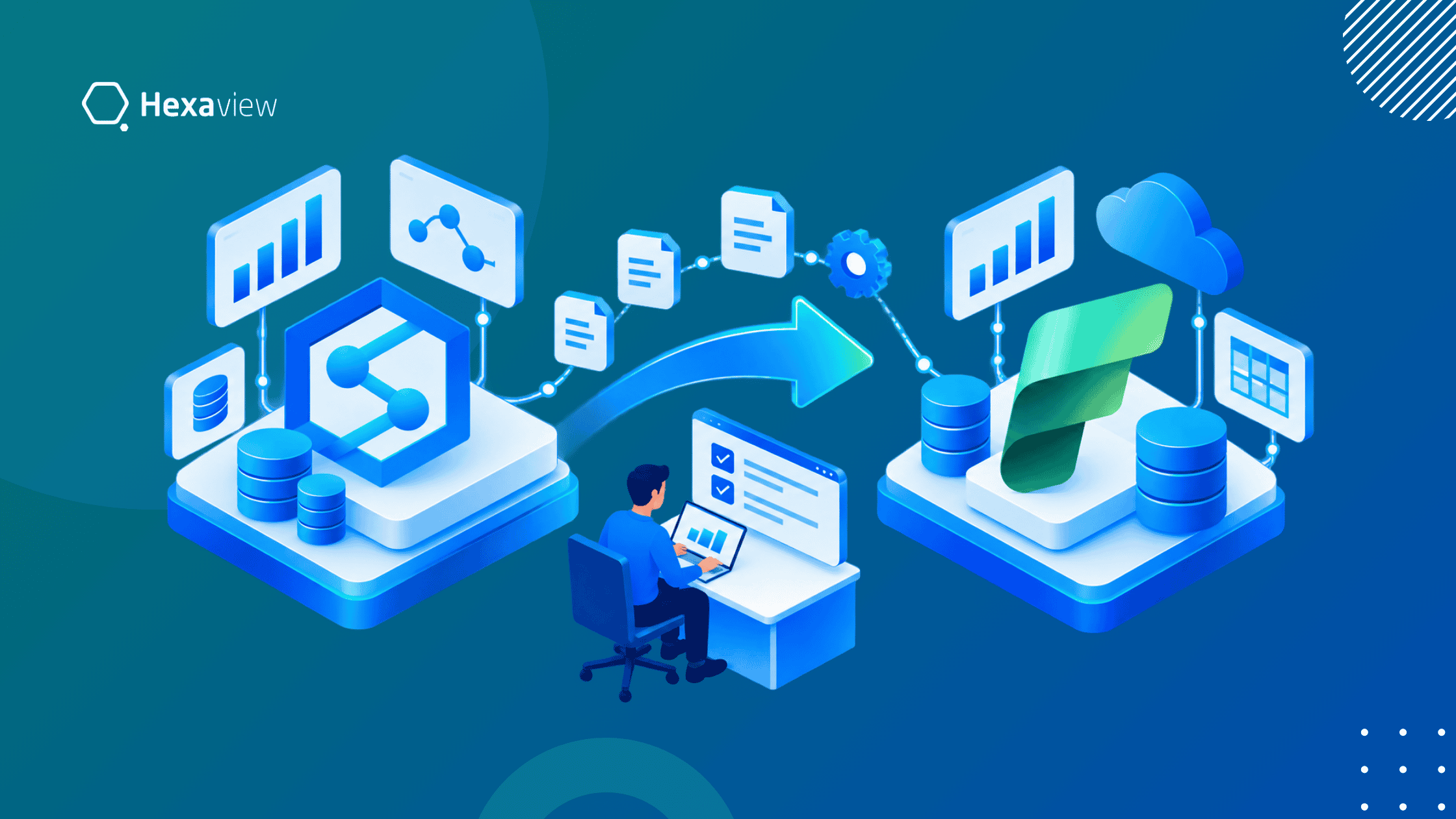
Successful businesses in 2026 continue to rely on core systems built long before the era of AI and cloud computing. Integrating these legacy systems with modern platforms ensures that your established workflows remain intact while gaining the speed of contemporary technology. This process, often referred to as legacy system modernization, does not require a complete overhaul of your existing infrastructure. Instead, it focuses on building bridges between outdated software and new digital ecosystems to create a unified environment.
Adopting a clear legacy modernization strategy allows organizations to improve data connectivity and operational efficiency. Many companies seek legacy application modernization services to handle the complexities of connecting monolithic applications or on-premise systems with the cloud. Rather than viewing old tech as a burden, legacy software modernization treats these systems as a foundation for growth. Effective legacy system integration unlocks the potential for scalability and real-time analytics, ensuring your business remains competitive.
By utilizing professional legacy modernization services, you can navigate the technical hurdles of legacy application modernization without disrupting daily operations. Whether you are dealing with mainframes or custom-built internal tools, the goal of integrating legacy systems with modern platforms is to foster innovation and long-term resilience.
Legacy system integration connects your dependable old software with sleek modern tools. Instead of a risky "rip and replace," you build bridges so data flows smoothly between them. This legacy modernization strategy keeps your core business running while adding the speed and flexibility of today’s cloud technology without any major operational headaches.
This process turns isolated data into useful insights by helping different systems talk to each other. By using legacy application modernization services, you automate repetitive tasks and cut down on manual errors. Linking your established legacy systems with modern platforms creates a scalable foundation that supports growth and keeps your business competitive.
Integrating legacy systems with modern platforms is now a business necessity rather than a choice. Modern markets demand agility that isolated; older software simply cannot provide.
Also Read Why is Legacy Modernization in Banking a Leadership Strategy Now?
Not all older tech is the same, but several specific categories require legacy system integration to stay functional in a modern business environment.
By identifying these specific types, organizations can apply the right legacy modernization strategy to ensure their legacy systems with modern platforms work as one unified, efficient engine.
Successful legacy system integration delivers impact far beyond technical fixes; it fundamentally changes how your business operates and grows. By linking your established legacy systems with modern platforms, you unlock several critical advantages.
By focusing on legacy system integration, you turn your aging infrastructure into a powerful asset that supports innovation and long-term resilience.
Modernizing your infrastructure is a delicate process that requires a structured, low-risk approach to ensure business continuity. Successful legacy system integration involves several key phases that transform your aging architecture into a future-ready digital ecosystem.
Hexaview stands out in the legacy application modernization services space by using a "risk-first" lens. Their approach combines proprietary AI-driven tools like Legacy Insights to decode millions of lines of COBOL or monolithic code with up to 98% accuracy.
Unlike general providers, Hexaview focuses on architectural decoupling, building API layers that wrap around stable legacy cores. This "wrap and extend" strategy allows you to launch modern features without touching the sensitive core logic. For BFSI clients, they implement parallel system runs and automated data reconciliation to guarantee zero-downtime transitions and 100% audit-ready compliance.
The future of business resilience depends on your ability to connect established reliability with modern speed. Successfully integrating legacy systems with modern platforms allows you to preserve the years of logic embedded in your core software while embracing the power of cloud, AI, and real-time analytics.
By adopting a phased legacy modernization strategy, you eliminate the high risks of a total system replacement and instead build a scalable, future-proof foundation. Whether you leverage internal teams or professional legacy application modernization services, the goal remains the same: transforming outdated infrastructure into a strategic engine for growth.
Legacy system integration focuses on building communication bridges between old and new platforms so they can work together. Legacy system modernization is a broader term that includes updating, refactoring, or transforming the old system’s internal code or architecture to be more contemporary.
A total replacement (often called "rip and replace") is expensive, time-consuming, and carries a high risk of business disruption. Integration allows you to keep your stable, proven logic while gaining modern capabilities faster and with much lower risk.
The primary risks include data loss during transfer, unexpected system downtime, and resistance from employees who are comfortable with the old workflow. A phased approach and professional legacy modernization services help mitigate these issues.
APIs act as a secure translation layer. They allow modern web and mobile applications to "talk" to old mainframes or databases without needing to change the underlying legacy code, making data access seamless and secure.
Timelines vary based on complexity, but most projects follow a phased schedule: 1–3 weeks for assessment, 2–6 weeks for data preparation, and 1–4 months for core integration development.
While there are upfront costs for tools and experts, it is significantly cheaper than a total system failure or a full rebuild. Integration saves money long-term by reducing manual errors and lowering the high maintenance costs of isolated, aging hardware.
If your software lacks modern APIs, runs on outdated hardware, is no longer supported by the original vendor, or makes it difficult to scale and connect with cloud tools, it is considered a legacy system that requires a modernization plan.




.svg)



.svg)