
Legacy system modernization is no longer optional. It has become essential for enterprises that want to remain secure, compliant, and competitive in a rapidly evolving digital environment. In this guide, you will explore seven proven modernization strategies, a simple four step decision framework, and a phased roadmap that helps organizations transform legacy systems with better clarity, improved efficiency, and stronger long term control.
Legacy system modernization has become a leadership priority because technology decisions now directly influence business growth, risk management, and operational efficiency. Senior leaders must ensure that core systems support innovation rather than restrict it.
Outdated platforms often create security vulnerabilities, slow performance, and high maintenance costs. Leadership teams recognize that modern infrastructure enables faster decision making, stronger compliance, and improved customer experiences.
Modernization also aligns technology with long term business strategy. When executives champion modernization initiatives, organizations can adopt advanced analytics, automation, and artificial intelligence to unlock new opportunities.
For this reason, legacy modernization is no longer just an IT activity. It is a strategic leadership initiative that shapes digital transformation and competitive advantage across the enterprise.
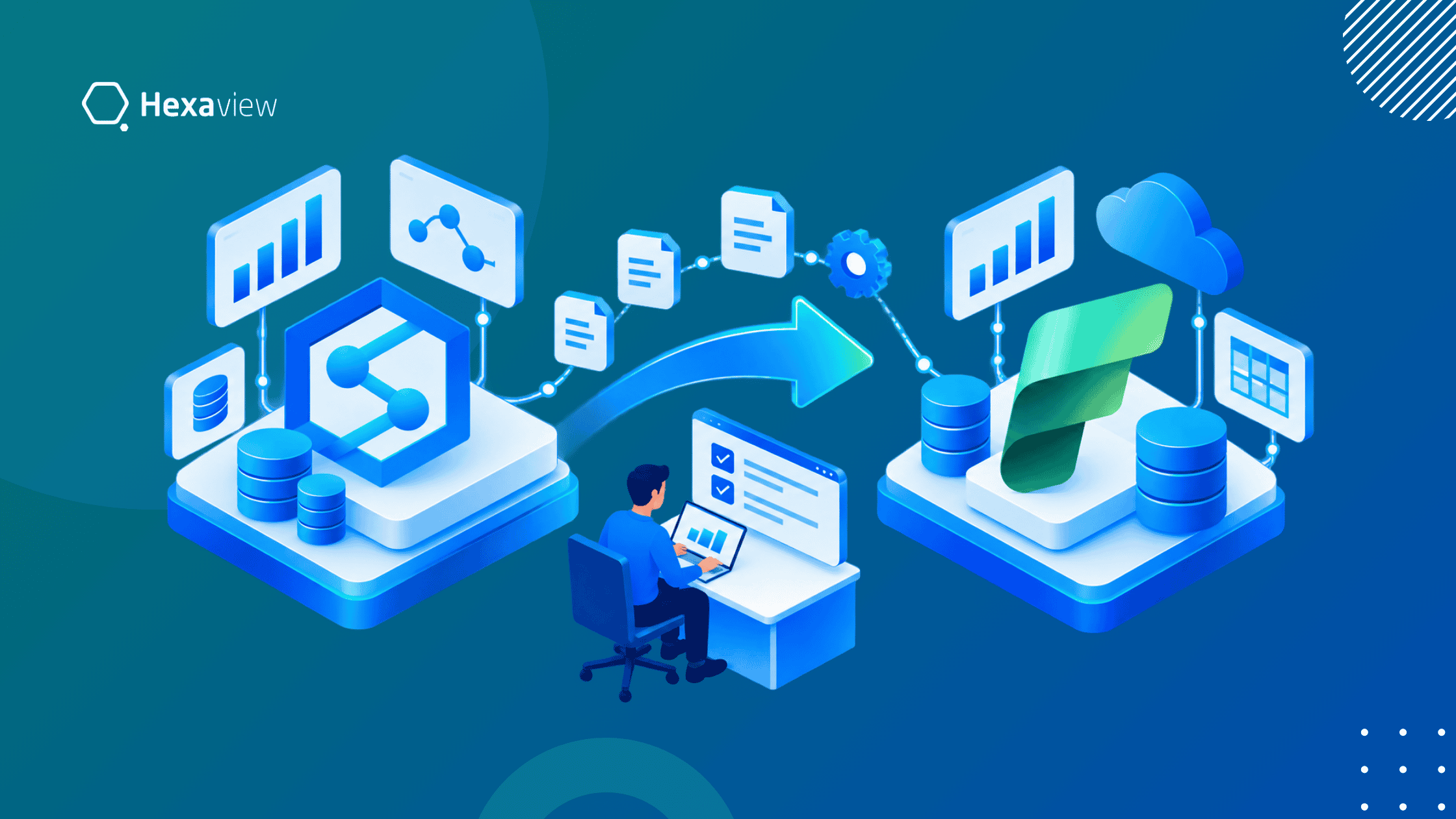
Legacy system modernization refers to the process of improving older software environments so they function efficiently with modern technologies, development practices, and security standards. The goal is not always to replace existing systems entirely. In many cases, organizations focus on improving reliability, maintainability, and performance while ensuring that critical business operations continue without disruption.
It is important to understand the difference between a legacy system and a legacy application. A legacy system refers to the entire technology environment that supports operations. This includes servers, databases, services, and internal workflows. A legacy application, on the other hand, is a specific program running within that environment. These applications are often built using outdated frameworks or libraries that may no longer receive updates or support.
Modernization begins with a careful evaluation of the existing system. By understanding how different components interact, organizations can determine what should be retained, upgraded, or gradually replaced in a way that supports long term stability and growth.
Read to know more Why is Legacy Modernization in Banking a Leadership Strategy Now?
Older frameworks often lack advanced encryption capabilities, automated patch management, and effective monitoring mechanisms. These limitations create security gaps that make systems vulnerable to cyber threats. Modernization introduces stronger security layers, continuous monitoring, and better threat detection tools that help organizations identify and respond to risks in real time.
Many legacy platforms were designed for workloads that were far smaller than what businesses handle today. As demand increases, these systems struggle to maintain speed and stability. Modernization improves system responsiveness, simplifies updates, and minimizes unexpected failures that can disrupt daily operations and reduce productivity.
Maintaining outdated systems often requires specialized support and expensive maintenance efforts. Modernized systems are easier to maintain, integrate with new tools, and scale when needed. Even incremental improvements can reduce infrastructure expenses and operational costs over time.
Modern architectures allow businesses to adapt quickly to new requirements. Organizations can add features, integrate modern applications, and support growing user bases without rebuilding entire systems. This flexibility allows companies to innovate faster while maintaining system stability.
Regulatory requirements continue to evolve, and legacy systems often struggle to meet modern compliance standards. Modernization enables automated documentation, clearer audit trails, and standardized security controls. These improvements make internal reviews and regulatory audits more efficient and transparent.
Not every legacy system requires a complete rebuild. Some systems still deliver value and can continue operating with minor improvements, while others may no longer serve business needs. This is where the 7R modernization framework becomes useful. It helps organizations evaluate each system based on business value, technical risk, operational effort, and long term strategy.
Each approach within the framework represents a different path forward. Some strategies focus on speed and minimal disruption, while others aim to improve flexibility, scalability, and innovation. The right choice depends on factors such as system complexity, internal expertise, available budget, and regulatory requirements.

Understanding these strategies helps organizations make informed modernization decisions. Once these options are clear, the next step is to determine which strategy best fits each system within the technology landscape.
Selecting the right modernization approach requires a structured evaluation of business value, technical risk, and operational impact. Organizations should first understand how each system contributes to business operations and then align it with the most suitable strategy from the 7R framework. A clear and phased decision process helps reduce risk and ensures that modernization efforts deliver measurable results.
Begin by reviewing each legacy system and assessing how modernization would affect performance, cost, and business value. A simple evaluation checklist can help teams score systems across several important factors.

Each factor can be scored from 1 to 10. Systems with higher overall scores usually represent stronger candidates for modernization because their limitations create greater business impact.
After scoring the systems, the next step is to align them with the most appropriate approach from the 7R modernization framework. The goal is to choose the least disruptive strategy that still delivers meaningful improvement.
Organizations must determine the level of time, budget, and operational disruption they can realistically manage. Some companies prefer gradual improvements over a longer period, while others may prioritize rapid infrastructure changes to reduce operational risk.
Regulatory requirements and data sensitivity should also influence decisions. If strict compliance requirements exist, certain cloud based strategies may need additional evaluation before implementation. Technology analysis tools can also help identify hidden dependencies and risks before modernization begins.
Successful modernization programs often begin with a small pilot project. Organizations can start by modernizing a non critical module or service and measuring the results. This approach allows teams to refine their strategy and gain confidence before addressing larger and more complex systems.
A gradual transformation approach is often more effective than attempting a full system overhaul at once. By replacing system components in stages, businesses can reduce risk, maintain operational continuity, and steadily move toward a modern technology environment.
Legacy modernization in the Banking, Financial Services, and Insurance sector requires deep industry knowledge, strong compliance practices, and modern engineering expertise. Hexaview Technologies supports BFSI organizations by combining domain expertise with AI driven engineering and cloud modernization strategies.
Hexaview begins with a detailed system assessment to identify dependencies, performance issues, and modernization opportunities across banking and financial platforms. This evaluation helps organizations choose the right modernization strategy with minimal disruption.
The company also applies modern architecture practices such as modular services, cloud migration, and automation to improve scalability, security, and operational efficiency. These improvements allow financial institutions to handle high transaction volumes while maintaining system stability.
With a structured modernization framework and strong compliance governance, Hexaview helps BFSI organizations modernize critical systems faster while reducing operational risk and ensuring long term resilience.
Legacy system modernization has become a critical priority for organizations that want to remain competitive, secure, and adaptable in a rapidly evolving digital environment. By evaluating existing systems, understanding their business value, and applying the right modernization strategy, enterprises can gradually transform outdated infrastructure into scalable and efficient platforms.
Frameworks such as the 7R strategies and structured decision processes help leaders reduce risk while improving performance and operational agility. When modernization is approached with clear planning and the right technology expertise, organizations can unlock innovation, strengthen compliance, and build systems that support long term growth.
1. What is the main goal of legacy system modernization?
The primary goal is to improve the performance, security, and maintainability of older systems so they can support modern business needs, integrate with new technologies, and scale as organizations grow.
2. Is legacy system modernization always about replacing old systems?
No. Modernization does not always require full replacement. In many cases, organizations improve existing systems by upgrading infrastructure, restructuring code, or integrating modern tools.
3. What are the common challenges in legacy system modernization?
Typical challenges include undocumented systems, complex dependencies between applications, high maintenance costs, and the risk of disrupting critical business operations during the transition.
4. How long does a legacy modernization project usually take?
The timeline depends on system complexity, business priorities, and the chosen modernization strategy. Some projects take a few months for infrastructure improvements, while full transformations may take longer.
5. Why is legacy modernization important for financial institutions?
Financial institutions rely on secure and reliable systems to manage sensitive data and high transaction volumes. Modernization improves system security, regulatory compliance, scalability, and the ability to introduce new digital services.





.svg)



.svg)